
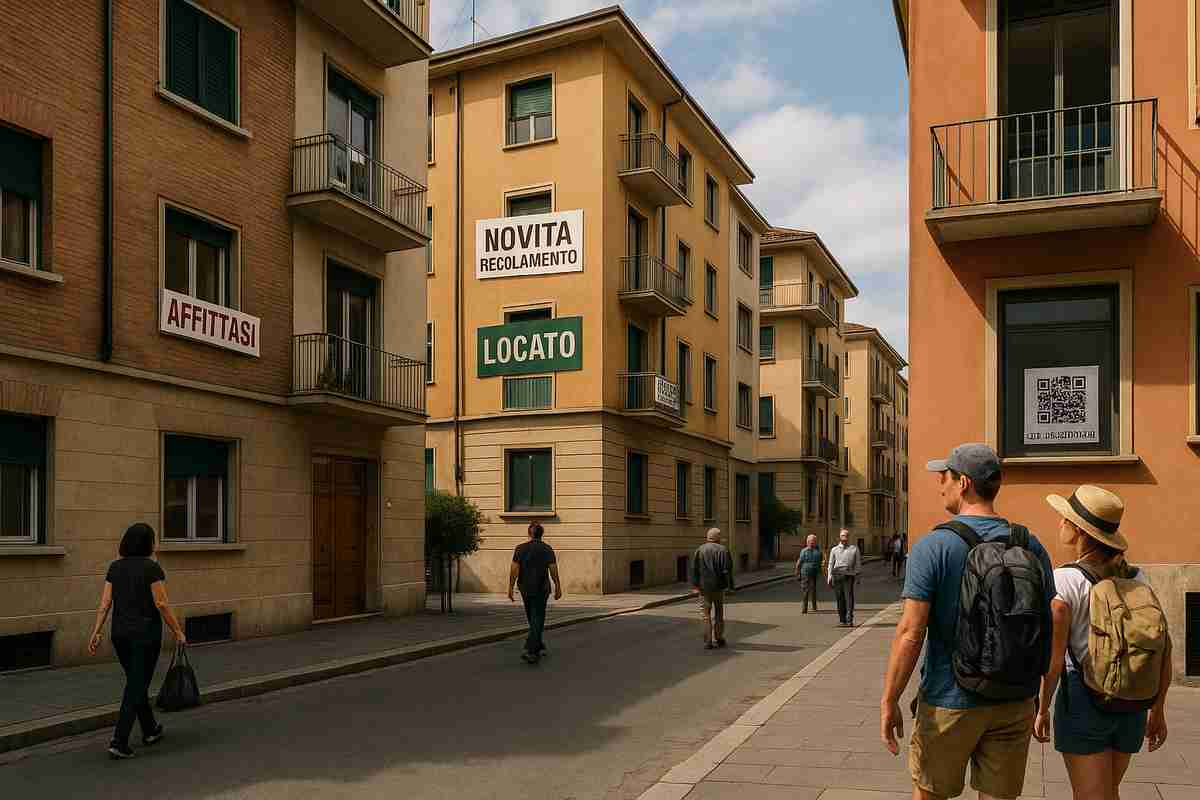
Government Cracks Down on Short-Term Rentals: What Changes for Cities and Hosts
ROME, April 14 – The Italian government has taken a decisive step on the hot topic of short-term rentals in big cities. On April 14, 2026, ministers gathered at Palazzo Chigi and approved a fresh set of rules, hoping to ease the growing friction between locals and the booming tourism sector. The decision comes after months of heated discussions involving city officials, landlords, and hospitality groups.
Tourism Minister Daniela Santini presented the new measures, which bring in tighter registration rules for hosts, the launch of a national database for rental properties, and a cap on how many days each property can be rented out every year in certain city neighborhoods. “We want to protect the social fabric of our cities,” Santini said at a press conference, “without penalizing those who rely on short-term rentals for their income.”
Tensions Boil Over as Rents Keep Climbing
Behind this move is a wave of protests from residents in cities like Florence, Milan, and Rome. Locals have been sounding the alarm about soaring rents and the vanishing supply of long-term homes. ISTAT figures show that average rents in central districts have shot up by 12% in the past year—with some areas hit even harder. Neighborhood groups, like Florence’s “Vivere il Centro,” have been pleading for action. “We’re not against tourism,” spokesman Marco Bianchi said, “but we can’t find homes anymore. The city is changing too fast.”
So, what’s in the new rules? For properties in historic centers now marked as “high pressure” zones, there’s a 90-day rental cap per year. Cities can ask for exceptions, but only if they back it up with detailed reports about housing shortages and local needs.
Stricter Rules, Hefty Fines: What Hosts Need to Know
The crackdown doesn’t stop there. Every host will have to register their property on a new national digital platform managed by the Tourism Ministry. Each listing gets a unique code, which must be shown on every ad—online and offline. Anyone caught breaking the rules faces fines between €2,000 and €10,000, depending on how serious the violation is.
There are also new requirements on safety standards and tax compliance. “It’s about transparency,” Santini stressed. “We want to make sure everyone plays by the same rules.” The system goes live on July 1st, leaving property owners just over two months to get ready.
Industry Split: Landlords Worried, Hotels Applaud
The announcement has stirred up mixed feelings in the industry. The National Association of Short-Term Rentals (ANRA) fears the move could hurt small landlords. “Many families depend on this income,” said ANRA president Lucia Ferri. “A rigid limit could push some into the informal market.” By contrast, hotel groups are cheering. “We’ve been asking for clear rules for years,” said Paolo Rossi, vice president of Federalberghi. “This is a start.”
Big platforms like Airbnb and Booking.com have yet to make an official statement. Insiders, though, say they’re busy studying the technical details of the new registration system.
What Happens Next: Cities to Set Their Own Pace
The law leaves some wiggle room for local governments, letting mayors set stricter limits or grant exceptions based on how their cities are changing. The Ministry has promised a review after a year to see what impact the rules have on rents and tourism.
In the meantime, city halls are gearing up to release instructions for residents and landlords. Many are waiting to see how enforcement will play out, especially in places like Venice and Naples, where short-term rentals are already a hot-button issue.
One thing is certain: balancing tourism and everyday city life is still a delicate game. The government’s new rules aim to strike that balance, but as many mayors point out, it’s going to take ongoing talks and plenty of fine-tuning along the way.